Understanding Tax Extensions
Tax extensions provide taxpayers with additional time to file their returns without incurring penalties. This option is especially beneficial for individuals who may need more time to gather documents or complete their tax returns accurately.
For example, filing for an extension allows taxpayers to postpone their filing deadline to October 15th, giving them an extra six months. However, it's important to note that while the extension provides more time to file, it does not extend the time to pay any taxes owed, which are still due by the original April deadline.
How to File for a Tax Extension
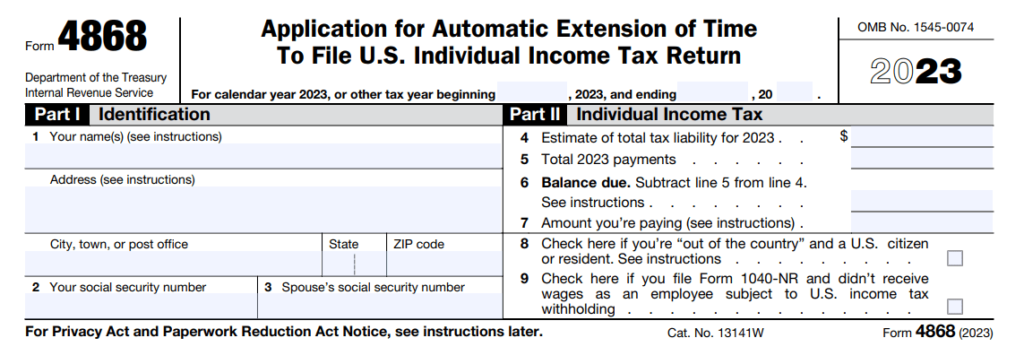
Filing for a tax extension is a straightforward process that can be completed online or via mail. Taxpayers can use IRS Form 4868 to request an automatic six-month extension for their federal tax return.
To file online, many tax software programs can submit the form electronically, ensuring a quick and efficient process. If opting to file by mail, it is essential to send the form to the correct address based on the taxpayer's location, and to do so before the April 15th deadline to avoid penalties.
Common Mistakes to Avoid When Filing for Extensions
Many individuals make common mistakes when applying for tax extensions, which can lead to unnecessary complications. One prevalent error is failing to estimate and pay any taxes owed by the original deadline, which can result in penalties and interest.
Another mistake is not keeping track of the new filing deadline. Taxpayers should mark their calendars for October 15th to ensure they submit their returns on time, as the extension only applies to filing, not payment.
Benefits of Consulting a CPA for Tax Extensions
Consulting a CPA when filing for a tax extension can provide significant advantages. A CPA can help ensure that all necessary documents are in order and that the extension is filed correctly, minimizing the risk of errors.
Additionally, a CPA can provide valuable advice on tax planning strategies during the extension period, helping clients to optimize their tax situation and potentially reduce their overall tax liability.